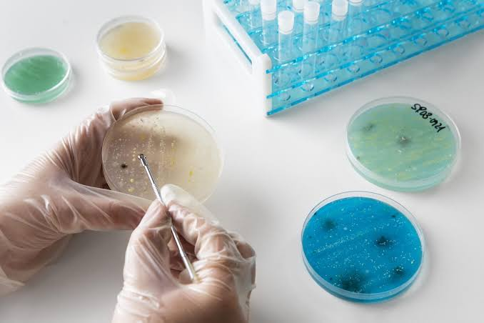

Objectionable microorganisms are microbial contaminants in non-sterile products (like medicines, cosmetics, or food) that can cause infections, harm the user, or break down the product, making it unsafe or ineffective.
𝐖𝐡𝐲 𝐌𝐢𝐜𝐫𝐨𝐛𝐞𝐬 𝐀𝐫𝐞 𝐎𝐛𝐣𝐞𝐜𝐭𝐢𝐨𝐧𝐚𝐛𝐥𝐞
They cause disease or opportunistic infections based on who uses the product.
- Pathogenicity: They cause disease or opportunistic infections based on who uses the product.
- Product Spoilage: They break down active ingredients, alter physical traits, or ruin shelf life.
- Route Risk: A bug safe on skin might harm an eye, wound, or compromised immune system.
- Regulatory Breach: They violate safety limits or survive chemical preservatives.
𝐂𝐨𝐦𝐦𝐨𝐧 𝐞𝐱𝐚𝐦𝐩𝐥𝐞𝐬 𝐨𝐟𝐭𝐞𝐧 𝐟𝐥𝐚𝐠𝐠𝐞𝐝 𝐚𝐬 𝐨𝐛𝐣𝐞𝐜𝐭𝐢𝐨𝐧𝐚𝐛𝐥𝐞
- Pseudomonas aeruginosa: especially dangerous in products for eyes, wounds, or burns
- Staphylococcus aureus: concerning in skin-contact products
- Escherichia coli: indicator of faecal contamination, objectionable in oral products
- Salmonella species: objectionable in almost any product, especially oral/food
- Candida albicans: a concern in topical and mucosal products
- Clostridium species: objectionable due to toxin production risks
- Burkholderia cepacia: flagged in aqueous-based drug products due to past contamination outbreaks
The U.S. Food and Drug Administration (FDA) does not maintain a static, universal “master list“ of objectionable microorganisms. Instead, the FDA evaluates whether a microorganism is objectionable on a case-by-case basis.
This assessment depends on the product’s dosage form, route of administration, intended use, patient population, and total microbial count.
However, the term “objectionable” should not be interpreted as a universal list of microorganisms that are unacceptable in every pharmaceutical product.The assessment should consider the microorganism, product characteristics, manufacturing process, route of administration, intended patient population, and applicable requirements.