What is 21 CFR Part 11?
21 CFR Part 11 is a regulation by the FDA that establishes the criteria for electronic records and electronic signatures to be considered trustworthy, reliable, and equivalent to paper records.…
Read moreAgricultural microbiology is a branch of science that studies different microorganisms that are associated with plants, soil fertility, and even animal diseases.
21 CFR Part 11 is a regulation by the FDA that establishes the criteria for electronic records and electronic signatures to be considered trustworthy, reliable, and equivalent to paper records.…
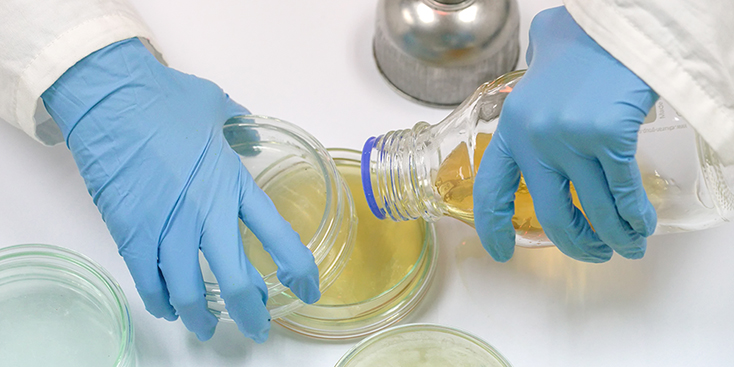
Read moreIn microbiology, media is allowed to cool to around 45°C before pouring plates to prevent condensation and maintain the viability of any added supplements.If the media is too hot when…
Read moreThe expiration period for prepared media in microbiology laboratories depends on the type of media, storage conditions, and validation studies conducted.Media expiration dates are primarily based on validation studies that…
Read moreSodium thiosulfate is used to dechlorinate water samples before microbiological testing to ensure the results accurately reflect the water quality at the time of collection.It neutralizes any residual chlorine in…
Read moreIn the pharmaceutical industry, a deviation is a difference between an observed value and an expected value for a product or process condition. Deviations can also be a departure from…
Read moreThe Feller correction is a mathematical adjustment applied to microbial air sampling to correct for the “overlap” of particles on the sampling plate. When using a microbial air sampler, there…
Read moreBTGN (Bile-Tolerant Gram-Negative bacteria) refers to a group of Gram-negative bacteria that can grow in the presence of bile salts. It is mainly used as an indicator of hygiene and…
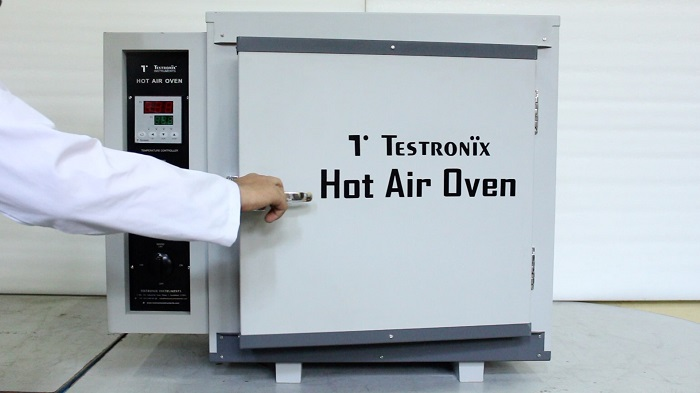
Read moreA hot air oven is a laboratory device commonly used for drying, sterilizing, and removing moisture from materials through heated, circulating air. It is widely used in microbiology, pharmaceuticals, and…
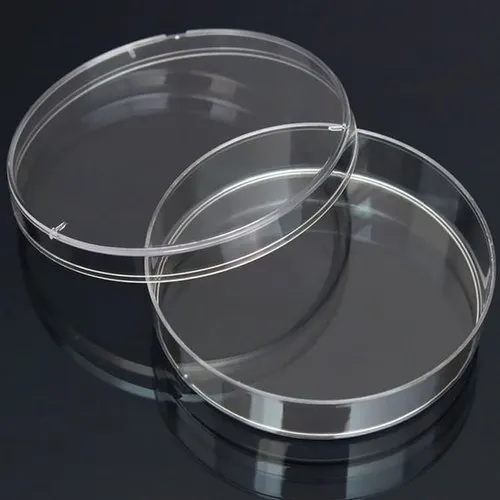
Read morePetri plates commonly used in microbiology labs are usually 90 mm in diameter, which is why they are often referred to as 90 mm plates. However, smaller sizes, like 55…
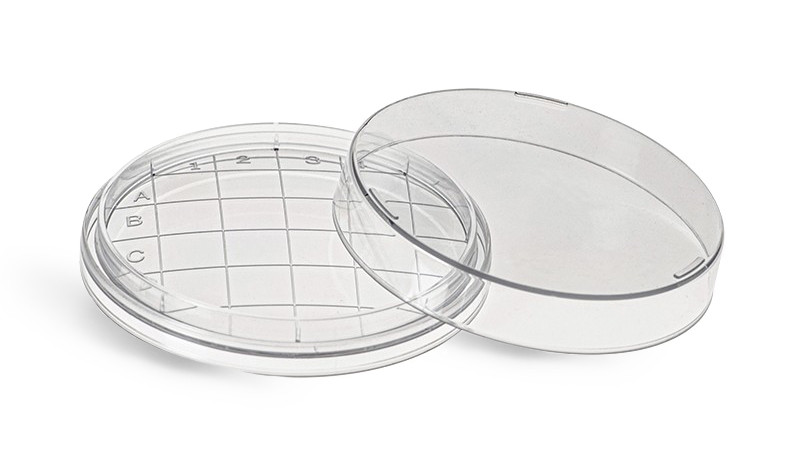
Read moreRODAC – Replicate Organism Detection and Counting, is a technique used in microbiology for environmental monitoring, especially on flat surfaces. These contact plates used for the surface monitoring of microorganisms…
Read more