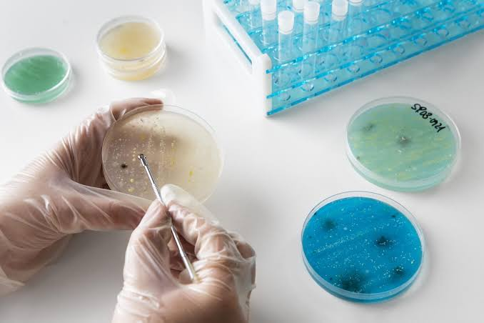
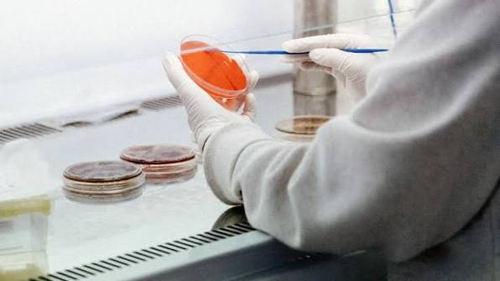
Antimicrobial Effectiveness Testing (AET), also known as preservative efficacy testing or USP <51>, is a standardized laboratory method used to measure how well a product’s preservative system kills or inhibits microorganisms over a 28-day period.
The test is particularly relevant for multidose and preserved pharmaceutical preparations, where repeated use can introduce microorganisms into the product.
The test is also commonly referred to as Preservative Effectiveness Testing (PET). It helps demonstrate that the preservative system can provide appropriate microbiological protection throughout the relevant product lifecycle and use conditions.
𝐏𝐫𝐢𝐧𝐜𝐢𝐩𝐥𝐞 𝐨𝐟 𝐀𝐄𝐓
The basic principle involves deliberately introducing specified microorganisms into the test product and monitoring their numbers over defined time intervals.The general concept is:
Inoculate → Incubate → Recover → Count → Compare with Acceptance Criteria
If the preservative system is effective, the microorganisms should show the required reduction or controlled growth pattern specified by the applicable compendial method.
𝐖𝐡𝐲 𝐈𝐬 𝐀𝐄𝐓 𝐈𝐦𝐩𝐨𝐫𝐭𝐚𝐧𝐭?
An effective preservative system can help control microorganisms that may enter the product.
AET helps pharmaceutical manufacturers:
- Evaluate preservative performance
- Support microbiological quality of preserved products
- Identify inadequate preservative systems
- Support formulation development
- Verify microbiological protection under the applicable test conditions
- Reduce the risk associated with microbial proliferation
𝐇𝐨𝐰 𝐢𝐬 𝐭𝐡𝐞 𝐀𝐧𝐭𝐢𝐦𝐢𝐜𝐫𝐨𝐛𝐢𝐚𝐥 𝐄𝐟𝐟𝐞𝐜𝐭𝐢𝐯𝐞𝐧𝐞𝐬𝐬 𝐓𝐞𝐬𝐭 𝐏𝐞𝐫𝐟𝐨𝐫𝐦𝐞𝐝?
The steps involved in antimicrobial effectiveness testingare:
- Selection of Microorganisms
- Inoculation of the Product
- Incubation and Sampling
- Analysis of Results