Pharmaceutical culture collection management involves the organized procurement, maintenance, preservation, and tracking of reference microbial strains.
These systems ensure accurate quality control testing, reliable product validation, and strict compliance with global pharmacopeia standards across the drug manufacturing lifecycle.
What Is a Microbial Culture Collection?
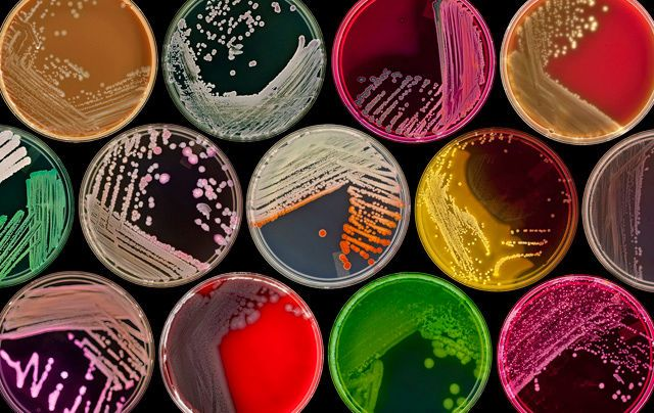
A microbialculture collection is a curated set of living microorganisms preserved under controlled conditions to maintain their genetic stability and functional characteristics.
Purpose of Maintaining Culture Collections
- Provide reference microorganisms for QC testing.
- Support method validation and routine environmental monitoring.
- Enable research reproducibility across laboratories.
- Ensure traceability and authenticity of strains used in regulatory submissions.
- Preserve genetic resources for biotechnological and pharmaceutical innovation.
Importance in Pharmaceutical Microbiology
In pharmaceutical industries, microbial culture collections play a critical role in ensuring product quality and patient safety. Each microorganism used in QC must be authenticated, traceable, and maintained under controlled storage conditions.
Types of Microbial Culture Collections
Microbial collections can be categorized based on their purpose and ownership:
- Institutional or In-House Collections: Maintained by individual pharmaceutical laboratories for QC or R&D purposes. These include reference strains from recognized sources such as ATCC, NCIM, MTCC, and DSMZ.
- National and International Repositories: These are government-recognized facilities responsible for long-term preservation and distribution of authenticated strains, e.g. Microbial Type Culture Collection (MTCC, India).
- Environmental Isolate Collections: Collected from cleanrooms, air samples, and surfaces during routine monitoring. These isolates help identify recurring contaminants and support risk assessments in aseptic processing areas.
Common Challenges and Solutions
- Loss of Viability: Use validated preservation methods such as cryopreservation.
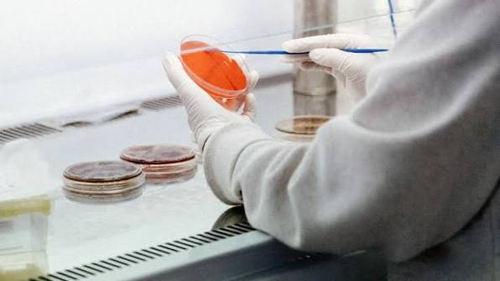
- Cross-Contamination: Maintain separate biosafety cabinets for revival and sub-culturing.
- Documentation Errors: Implement digital logs and barcode labelling.
- Strain Drift: Limit the number of sub-cultures before re-authentication.
Culture Collection Management is a fundamental aspect of pharmaceutical microbiology that ensures the reliability of microbiological testing. By preserving authenticated reference microorganisms under controlled conditions, laboratories can generate accurate, reproducible, and regulatory compliant results.