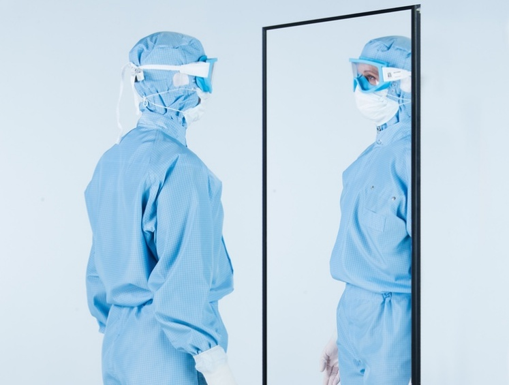
In the biotechnology industry, proper gowning in pharma cleanrooms is essential for maintaining ISO 5 conditions. Personnel shed approximately 100,000 particles per minute just by standing still. Without effective Grade A/B gowning, these particles—including skin flakes, microbes, and fibres can compromise sterile areas and hinder contamination prevention efforts.
Gowning objectives:
- Prevent contamination from operators to product/environment
- Maintain ISO 5 / Grade A conditions
- Support GMP requirements, Annex 1 compliance, and FDA standards
Key Requirements & Process
- Initial Training: Classroom sessions covering hygiene, microbiology, and cleanroom behaviour.
- No-Touch Technique: Donning garments from top to bottom while ensuring the outside of the suit never touches the floor or exposed skin
- Three Consecutive Passes: Operators must complete three successful, independent gowning simulations with zero microbial growth anomalies to pass initial qualification.
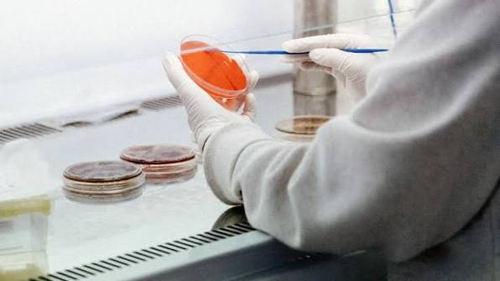
- Microbial Monitoring: Sampling high-risk areas—including gloves, chest, sleeves, and forehead/hood—using contact plates (RODAC) or swabs post-gowning.
The primary purpose of cleanroom gowning is to protect the product and the environment from microbial contamination. When used correctly, cleanroom gowning greatly reduces the microorganisms released by personnel.
All personnel are required to be properly trained and gowned before entering the cleanrooms.
Proper training, education, hygiene, qualification, and authorization is required to enter into clean rooms.
Gowning Qualification
- Training and education: Training topic should include aseptic techniques, clean room behavior, microbiology, hygiene, gowning, aseptic practices, and the written procedures.
- Gowning demonstration, practice and observation: During this stage, the trainee is taught gowning techniques and glove sanitization in a safe noncritical area, such as a training hall or conference room. Proper techniques begin with good hygiene.
- Qualification to enter Grade B areas: The sampling sites should be justified. Sites that are often sampled include gloved fingers, forearms, chest, arm pits, hoods, and boots.
- Maintenance and Monitoring: Consists of program maintenance, routine monitoring, requalification, and disqualifications, when warranted.
What Does Gowning Qualification Include?
Before an operator is authorised to work in a sterile area, they are evaluated for:
- Correct gowning sequence
- Proper hand hygiene and disinfection
- Aseptic behaviour inside the cleanroom
- Gown integrity and proper fit
- Personnel monitoring results (e.g., gloves and gown)
- Consistent compliance with SOPs
Qualification is maintained through periodic requalification and ongoing monitoring.
During inspections, auditors review gowning qualification records, training documentation, personnel monitoring data, and requalification programmes to verify that operators can consistently maintain aseptic conditions.
A strong gowning qualification programme demonstrates that contamination control begins with trained and competent personnel.