- 𝐂𝐮𝐥𝐭𝐮𝐫𝐢𝐧𝐠
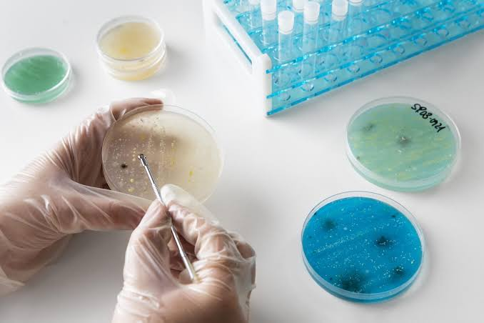
Bacteria are cultured based on specific growth conditions, including temperature, oxygen requirements, and medium. Cultures can be started from frozen, lyophilized, or live samples. For example, frozen vials should be thawed quickly and transferred to growth medium, while lyophilized cultures are rehydrated and inoculated into fresh media. - 𝐒𝐭𝐨𝐫𝐚𝐠𝐞
Storage methods depend on the preservation form. For long-term storage, cryopreservation (using cryoprotectants like glycerol or DMSO) is recommended, often in liquid nitrogen for viability. Alternatively, freeze-dried cultures can be kept at 4°C but need moisture protection due to their hygroscopic nature. - 𝐇𝐚𝐧𝐝𝐥𝐢𝐧𝐠
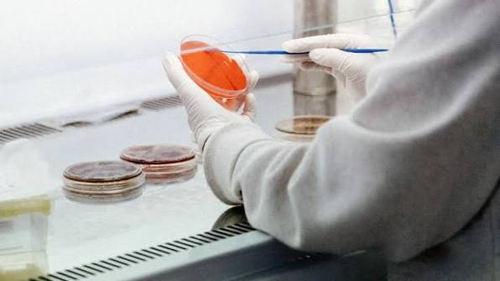
Cultures must be handled aseptically to avoid contamination, and specific safety protocols are followed based on biosafety levels. The guide suggests using biosafety cabinets and sterilizing equipment when handling potentially infectious cultures. These procedures ensure bacterial viability and minimize contamination risks during storage and handling.