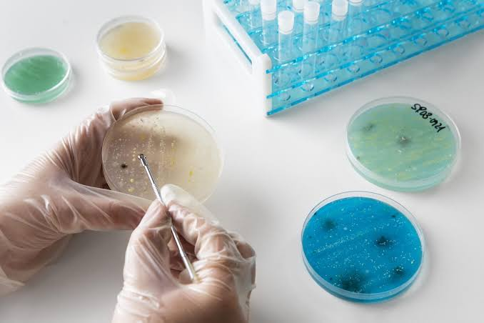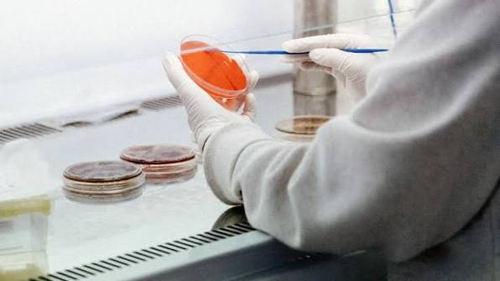
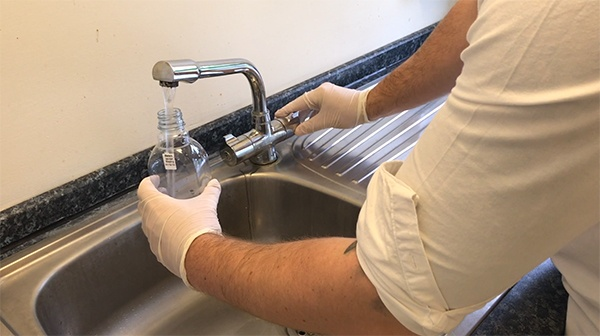
Flushing is necessary before water sampling.
- 𝐑𝗲𝗺𝗼𝘃𝗲 𝗦𝘁𝗮𝗴𝗻𝗮𝗻𝘁 𝗪𝗮𝘁𝗲𝐫
Water that sits in the pipes, especially at sampling points, can accumulate contaminants, bacteria, or biofilms that don`t represent the systems normal water quality. - 𝐄𝐧𝐬𝐮𝐫𝐞 𝐀𝐜𝐜𝐮𝐫𝐚𝐭𝐞 𝐓𝐞𝐬𝐭𝐢𝐧𝐠
Flushing helps collect a more consistent and reliable sample that reflects the true quality of the water in active circulation, ensuring accurate results for microbial and chemical testing.
Without flushing, contaminants from stagnant water could give misleading results, either showing higher contamination levels or masking problems that exist in the system.
In microbiology, water flushing time before sampling typically depends on the sampling point and the purpose of the test.
For potable water systems, a common practice is to flush the system for 2-5 minutes to ensure that stagnant water is removed and that a representative sample is collected.
For purified water or water for injection (WFI) systems, flushing may vary from 30 seconds to 2 minutes, depending on system validation and SOPs (Standard Operating Procedures).
In some companies, the water does not flush in the GMP areas.n Sampling point cover with aluminium foil