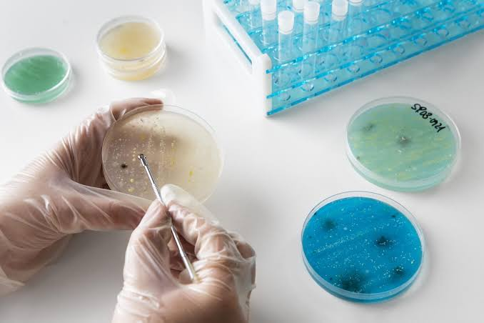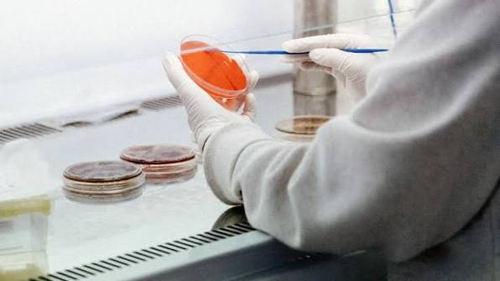
Sterility refers to the complete absence of viable microorganisms, including bacteria, fungi, and spores, on a product or in a substance.
In the pharmaceutical industry, sterility is critical for products like injectables, ophthalmic solutions, and surgical instruments to prevent infections and ensure patient safety.
Sterility testing is a key process in quality control to confirm that a product meets the required sterility standards before it is released for use.
𝐂𝐨𝐦𝐦𝐨𝐧 𝐒𝐭𝐞𝐫𝐢𝐥𝐢𝐳𝐚𝐭𝐢𝐨𝐧 𝐌𝐞𝐭𝐡𝐨𝐝𝐬
To eliminate microbial life, various physical and chemical processes are utilized:
- 𝐇𝐞𝐚𝐭: The most common method. Autoclaving uses moist heat and pressure (typically 121°C for 15–20 minutes). Dry heat ovens are used for heat-stable powders or glassware.
- 𝐅𝐢𝐥𝐭𝐫𝐚𝐭𝐢𝐨𝐧: Used for heat-sensitive liquids. Microorganisms are physically trapped using membrane filters with microscopic pore sizes (usually 0.22 μm).
- 𝐈𝐫𝐫𝐚𝐝𝐢𝐚𝐭𝐢𝐨𝐧: Uses gamma rays or electron beams to destroy microbial DNA without generating high heat.
- 𝐂𝐡𝐞𝐦𝐢𝐜𝐚𝐥 𝐒𝐭𝐞𝐫𝐢𝐥𝐢𝐳𝐚𝐭𝐢𝐨𝐧:Uses gases like ethylene oxide or hydrogen peroxide for delicate medical instruments that could be damaged by heat or moisture.
𝐒𝐭𝐞𝐫𝐢𝐥𝐢𝐭𝐲 𝐓𝐞𝐬𝐭𝐢𝐧𝐠
Because it is impossible to test every single item in a batch without destroying it, laboratories rely on sample testing to ensure compliance. Common testing techniques include:
- 𝐌𝐞𝐦𝐛𝐫𝐚𝐧𝐞 𝐅𝐢𝐥𝐭𝐫𝐚𝐭𝐢𝐨𝐧: Passing a liquid sample through a sterile filter and placing the filter into a growth medium.
- 𝐃𝐢𝐫𝐞𝐜𝐭 𝐈𝐧𝐨𝐜𝐮𝐥𝐚𝐭𝐢𝐨𝐧: Placing small portions of the product directly into nutrient broths, such as Fluid Thioglycollate Medium and Soybean-Casein Digest Medium.
Samples are typically incubated for up to 14 days. If the broth remains clear, the batch passes; if it becomes cloudy (turbid), it indicates microbial growth and batch failure.
𝐒𝐭𝐞𝐫𝐢𝐥𝐢𝐭𝐲 𝐀𝐬𝐬𝐮𝐫𝐚𝐧𝐜𝐞 𝐋𝐞𝐯𝐞𝐥 (𝐒𝐀𝐋)
In practice, achieving absolute “zero” microorganisms is nearly impossible to prove mathematically and is often too harsh for active ingredients. Therefore, microbiology and pharmaceutical industries use the Sterility Assurance Level (SAL) to define sterility practically.
*An item is considered sterile if the SAL is ≤ 10⁻⁶.
*This means there is less than a 1-in-1-million probability of a single viable microorganism surviving in or on the product