
Temperature and humidity are just two factors that need to be upheld to avoid scrutiny,
contamination, comfort for personnel, and maintain a positive safety culture.
In the U.S the Food and Drug Administration’s regulatory guidelines outline an optimal
temperature for labs as being between 68 °F and 77 °F (20 °C and 25 °C) with humidity
levels somewhere between 30% and 50%. These two factors are vital to every laboratory
environment for countless reasons, not the least of which is quality control.
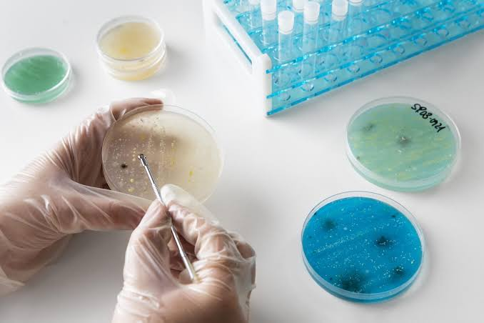
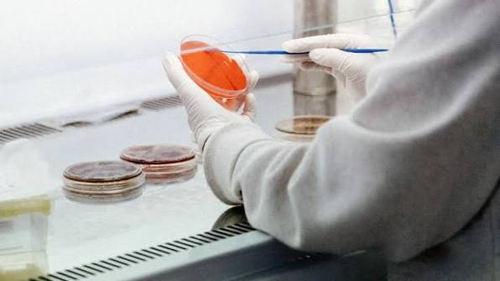
Improper temperature and humidity controls can lead to the following
- Contamination of specimens
- Poor bacteria growth or arrest
- Static buildup on some instruments and equipment
- Calibration errors and measurement challenges
- Problematic uncertainty ratios about the results’ efficacy