𝐏𝐫𝐞𝐩𝐚𝐫𝐞
Before collecting samples, identify outlets to sample, type of testing.
sampling bin contain schedule, nose mask, sterile bottles, non sterile bottle, TOC
bottle, heat resistant gloves, extra bottle and stopwatch.
𝐒𝐚𝐟𝐞𝐭𝐲
Protect yourself and There is no contamination from our end for water.
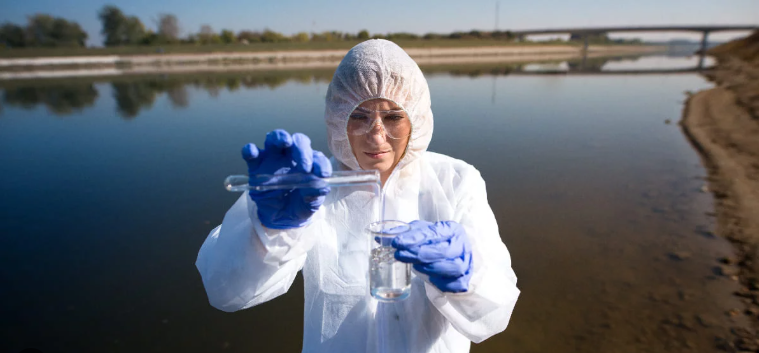
Wear personal protective equipment (PPE) such as gloves, safety glasses, and a nose
mask.
𝐒𝐚𝐧𝐢𝐭𝐢𝐳𝐞
Sanitize your hands with 70% IPA.
𝐃𝐫𝐚𝐢𝐧
Open the sampling valve and let water drain for 1–2 minutes or 20–30 seconds.
GMP area, no need to drain water.
𝐑𝐢𝐧𝐬𝐞
Rinse the bottle with the water to be tested only for chemical analysis.
No rinse required for microbiology analysis because glass bottles already sterile.
𝐂𝐨𝐥𝐥𝐞𝐜𝐭
Depending on the type of analysis, collect the sample in a sterile glass bottle or
normal glass bottle.
Sterile for microbiology
Non sterile for chemical
𝐂𝐡𝐞𝐦𝐢𝐜𝐚𝐥 𝐀𝐧𝐚𝐥𝐲𝐬𝐢𝐬
Collect the sample in a glass bottle for chemical after microbiology analysis, then
TOC sampling.
𝐓𝐎𝐂 𝐀𝐧𝐚𝐥𝐲𝐬𝐢𝐬
Collect about 100 ml of sample in a glass bottle with minimal head space and
wrapped with parafilm before sampling TOC bottles should be cleaned with HCL and
stored for drying.
𝐍𝐨𝐭𝐞: Dedicated only for TOC sample bottle, should mark the bottle.
𝐌𝐢𝐜𝐫𝐨𝐛𝐢𝐨𝐥𝐨𝐠𝐢𝐜𝐚𝐥 𝐀𝐧𝐚𝐥𝐲𝐬𝐢𝐬
Collect about 250 ml of sample in a sterile glass bottle.
No need to Rinse the bottle.
Do not touch the bottle to the water loop.
Closing the cap as soon as possible.
If it is not possible to collect water samples, use a sterile hose pipe.
For treated water use STS bottle
STS – sodium thiosulphate
𝐋𝐚𝐛𝐞𝐥
Label the container with the sample identity, sampling point, date and time of
sampling, and what the sample is being tested for like Borewell water, treated water,
RO water and purified water.
After reaching the lab genrate AR number for each water sample using LIMS or
manual writing log books.
𝐒𝐭𝐨𝐫𝐞
If you are not taking a water sample for microbiology analysis, keep the sample at 2
8°C.