
In pharmaceutical microbiology and sterile manufacturing, even small human actions can influence contamination risk.
One simple practice often followed during aseptic operations is:
Minimize unnecessary talking.
But why?
Talking may appear harmless, but speaking can release respiratory droplets and particles into the surrounding environment. In a controlled area, these particles can become a potential source of microbial contamination.
This is why minimizing unnecessary conversation is an important part of aseptic behaviour and contamination control.
𝐑𝐢𝐬𝐤𝐬 𝐨𝐟 𝐂𝐨𝐧𝐭𝐚𝐦𝐢𝐧𝐚𝐭𝐢𝐨𝐧
- 𝐒𝐚𝐥𝐢𝐯𝐚 𝐃𝐫𝐨𝐩𝐥𝐞𝐭𝐬: Speaking, whispering, or laughing forces moisture particles past masks, which can drift and land on sterile surfaces.
- 𝐀𝐢𝐫𝐟𝐥𝐨𝐰 𝐃𝐢𝐬𝐫𝐮𝐩𝐭𝐢𝐨𝐧: Voice projection alters localized air dynamics near open containers or critical work zones.
- 𝐌𝐢𝐜𝐫𝐨𝐛𝐢𝐚𝐥 𝐋𝐨𝐚𝐝: Human mouths host high concentrations of flora that cause severe patient infections or ruin lab cultures
𝐏𝐞𝐫𝐬𝐨𝐧𝐧𝐞𝐥 𝐀𝐫𝐞 𝐚 𝐌𝐚𝐣𝐨𝐫 𝐂𝐨𝐧𝐭𝐚𝐦𝐢𝐧𝐚𝐭𝐢𝐨𝐧 𝐒𝐨𝐮𝐫𝐜𝐞
People are considered one of the most significant potential sources of contamination in cleanrooms.
Personnel can generate particles through:
- Movement
- Talking
- Coughing
- Sneezing
- Touching surfaces
- Improper gowning
- Poor hand hygiene
This is why pharmaceutical facilities place strong emphasis on personnel training and aseptic behaviour.
𝐓𝐚𝐥𝐤𝐢𝐧𝐠 𝐂𝐚𝐧 𝐀𝐟𝐟𝐞𝐜𝐭 𝐭𝐡𝐞 𝐋𝐨𝐜𝐚𝐥 𝐄𝐧𝐯𝐢𝐫𝐨𝐧𝐦𝐞𝐧𝐭
Unnecessary talking can introduce additional particles into the environment and may interfere with good aseptic practices.
This is particularly important when working close to:
- Open sterile containers
- Sterile product-contact components
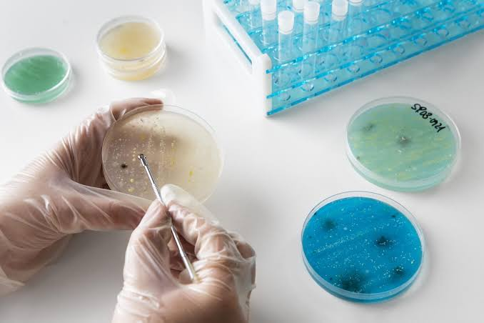
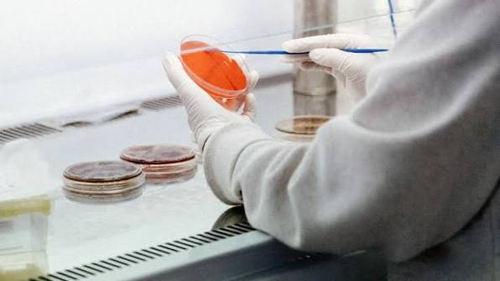
- Open culture plates
- Sterile filtration assemblies
- Filling operations
- Critical processing areas