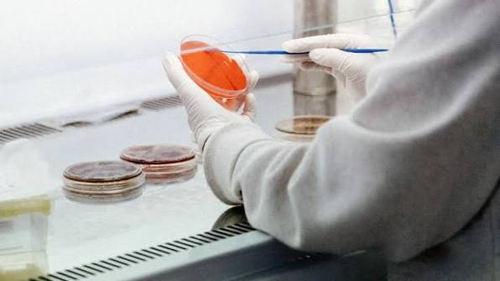

In pharmaceutical microbiology, reliable results depend not only on testing the sample but also on demonstrating that the testing process itself is under control.
One simple but important tool used for this purpose is the blank control.
𝐖𝐡𝐚𝐭 𝐢𝐬 𝐚 𝐁𝐥𝐚𝐧𝐤 𝐓𝐞𝐬𝐭?
A blank test is performed without adding the test sample, using only the solvent or diluent in the same volume, under identical experimental conditions. It helps assess systematic errors and background interference that may affect results.
𝐏𝐮𝐫𝐩𝐨𝐬𝐞 𝐨𝐟 𝐚 𝐁𝐥𝐚𝐧𝐤 𝐓𝐞𝐬𝐭
- 𝐄𝐯𝐚𝐥𝐮𝐚𝐭𝐞 𝐒𝐲𝐬𝐭𝐞𝐦𝐚𝐭𝐢𝐜 𝐄𝐫𝐫𝐨𝐫𝐬: Identifies errors from reagent purity, instrument precision, and operator handling.
- 𝐃𝐞𝐭𝐞𝐫𝐦𝐢𝐧𝐞 𝐁𝐚𝐜𝐤𝐠𝐫𝐨𝐮𝐧𝐝 𝐈𝐧𝐭𝐞𝐫𝐟𝐞𝐫𝐞𝐧𝐜𝐞: Helps detect non-specific reactions or environmental influences.
- 𝐎𝐩𝐭𝐢𝐦𝐢𝐳𝐞 𝐄𝐱𝐩𝐞𝐫𝐢𝐦𝐞𝐧𝐭𝐚𝐥 𝐂𝐨𝐧𝐝𝐢𝐭𝐢𝐨𝐧𝐬: Ensures accuracy and reliability by refining protocols.
𝐒𝐭𝐞𝐩𝐬 𝐟𝐨𝐫 𝐂𝐨𝐧𝐝𝐮𝐜𝐭𝐢𝐧𝐠 𝐚 𝐁𝐥𝐚𝐧𝐤 𝐓𝐞𝐬𝐭
- 𝐏𝐫𝐞𝐩𝐚𝐫𝐞 𝐑𝐞𝐚𝐠𝐞𝐧𝐭𝐬 & 𝐈𝐧𝐬𝐭𝐫𝐮𝐦𝐞𝐧𝐭𝐬: Ensure all materials meet cleanliness and accuracy standards.
- 𝐒𝐞𝐭 𝐔𝐩 𝐚 𝐁𝐥𝐚𝐧𝐤 𝐆𝐫𝐨𝐮𝐩: Perform the test without the sample, using identical conditions.
- 𝐂𝐨𝐧𝐝𝐮𝐜𝐭 𝐭𝐡𝐞 𝐄𝐱𝐩𝐞𝐫𝐢𝐦𝐞𝐧𝐭: Follow the standard protocol and record observations.
- 𝐀𝐧𝐚𝐥𝐲𝐬𝐞 𝐃𝐚𝐭𝐚: Compare blank test results with sample tests to assess accuracy and interference.
𝐖𝐡𝐲 𝐢𝐬 𝐭𝐡𝐞 𝐁𝐥𝐚𝐧𝐤 𝐂𝐨𝐧𝐭𝐫𝐨𝐥 𝐒𝐞𝐭 𝐔𝐩 𝐋𝐚𝐬𝐭?
The blank control is typically set up last for a couple of reasons:
- 𝐓𝐨 𝐩𝐫𝐞𝐯𝐞𝐧𝐭 𝐜𝐨𝐧𝐭𝐚𝐦𝐢𝐧𝐚𝐭𝐢𝐨𝐧: Setting up the blank control last minimizes the risk of it being contaminated by the variable being tested in the experiment. If the blank control were set up first, there would be a greater risk of it being exposed to the variable during the course of the experiment.
- 𝐓𝐨 𝐫𝐞𝐟𝐥𝐞𝐜𝐭 𝐭𝐡𝐞 𝐞𝐱𝐩𝐞𝐫𝐢𝐦𝐞𝐧𝐭𝐚𝐥 𝐜𝐨𝐧𝐝𝐢𝐭𝐢𝐨𝐧𝐬 𝐚𝐬 𝐜𝐥𝐨𝐬𝐞𝐥𝐲 𝐚𝐬 𝐩𝐨𝐬𝐬𝐢𝐛𝐥𝐞: By setting up the blank control last, it is exposed to the same conditions (e.g., time, temperature, atmospheric conditions) as the experimental samples. This makes the comparison between the blank control and the experimental samples more valid.
Blank samples, along with replicates, standards, and spiked samples, are crucial to quality control and the development of robust quantitative analytical methods.