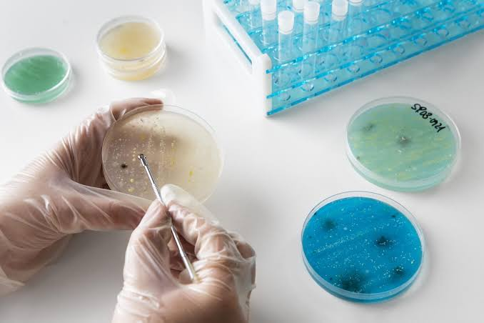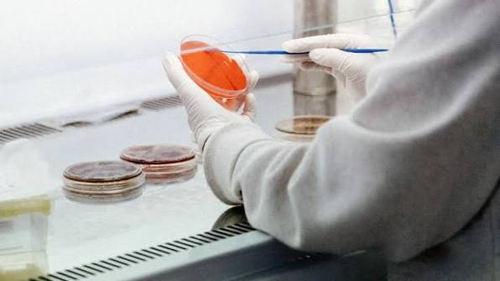

Common pipetting errors in pharmaceutical microbiology include skipping tip pre-wetting, holding pipettes at an improper angle (>20°), rushing aspiration or fast plunger release, using mismatched or loose tips, and ignoring temperature differences.
These mistakes cause volumetric inaccuracies that directly compromise sterility tests, microbial limit assays, and data integrity.
𝐂𝐨𝐦𝐦𝐨𝐧 𝐏𝐢𝐩𝐞𝐭𝐭𝐢𝐧𝐠 𝐄𝐫𝐫𝐨𝐫𝐬
- Pipetting error 1: ignoring temperature fluctuations
- Pipetting error 2: inconsistent pipetting angle
- Pipetting error 3: inconsistent manual pipetting practices
- Pipetting error 4: improperly fitting tips
- Pipetting error 5: incorrect volume range
- Pipetting error 6: disregarding liquid viscosity
- Pipetting error 7: ignoring the volatility of a sample
- Pipetting error 8: not discarding the first and last dispenses when repeat dispensing
𝐇𝐨𝐰 𝐭𝐨 𝐚𝐯𝐨𝐢𝐝 𝐩𝐢𝐩𝐞𝐭𝐭𝐢𝐧𝐠 𝐞𝐫𝐫𝐨𝐫𝐬
- Clean and check your pipette daily
- Service your pipette every six months
- Know proper pipetting techniques
- Clean Your Pipette Each Day Before Use
- Store Your Pipette Vertically, Using a Pipette Holder
- Use the appropriate pipette
- Account for environmental conditions
- Let your pipette adjust to the environment
- Take a break
- Use a new tip every time
𝐂𝐚𝐥𝐢𝐛𝐫𝐚𝐭𝐢𝐨𝐧 & 𝐌𝐚𝐢𝐧𝐭𝐞𝐧𝐚𝐧𝐜𝐞: 𝐊𝐞𝐞𝐩 𝐘𝐨𝐮𝐫 𝐏𝐢𝐩𝐞𝐭𝐭𝐞 𝐑𝐞𝐥𝐢𝐚𝐛𝐥𝐞
Regular pipette calibration is essential—ideally every 6 to 12 months, depending on usage.
- Clean the pipette after each use, especially with corrosive or viscous liquids
- Perform regular leak tests (e.g., with distilled water)
- Replace worn seals and pistons regularly
Pipetting may appear to be a basic laboratory skill, but it plays a major role in the accuracy of pharmaceutical microbiology testing.
Incorrect volume settings, poor aspiration technique, air bubbles, contaminated tips, inadequate mixing, and improper equipment use can all affect microbiological results.
Good pipetting is not only about accuracy it is also about maintaining data integrity.